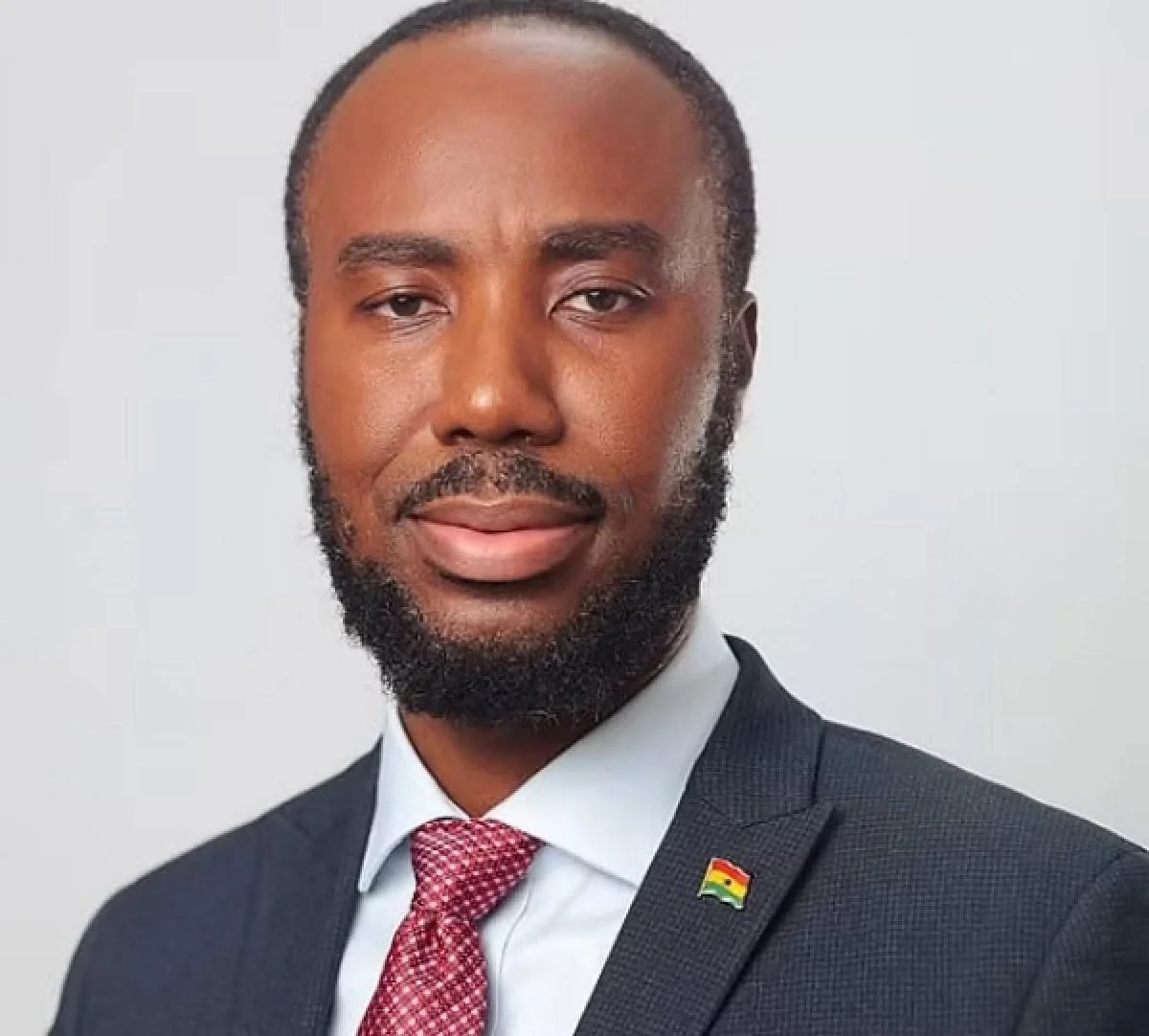
Counsel for former National Signals Bureau Director, Kwabena Adu-Boahene, Samuel Atta Akyea, has hinted that the defence may appeal against the High Court’s ruling on the accused persons’ submission of no case to answer.
The development follows a decision by Justice Francis Achibonga, who upheld Adu-Boahene’s submission in respect of two counts but dismissed it on the remaining nine.
The Court consequently directed Adu-Boahene to open his defence on the nine counts for which the submission was dismissed.
Speaking to journalists after the proceedings, Mr Atta Akyea indicated that the ruling had provided the defence with grounds to consider an appeal.
“He’s given us a lot of raw materials for an appeal,” he said, adding that the defence would use the weekend to examine the decision and consider the appropriate legal steps.
According to him, the defence intends to challenge what he considers an unfortunate decision requiring the accused persons to provide explanations for gaps in the prosecution’s case.
Mr Atta Akyea argued that any gaps in the prosecution’s evidence should have operated in favour of the accused persons at the no-case stage.
He further criticised the Court’s application of the relevant legal principles, describing them as having been turned “upside down” in relation to the case.
“We will challenge it in court,” he stated.
“He’s given us a lot of raw materials for an appeal…the whole of the weekend we will have time to look at clinically and lodge a proper appeal to overturn what I see as an unfortunate situation in which you’re asking the accused persons to come offer an explanation and fill the gap for the prosecution, so all the gaps should have inured to our benefit, but it was overturned. The principles of law were sitting upside down relative to this case, and we will challenge it in court.”
A submission of no case to answer is made at the close of the prosecution’s case. It asks the Court to determine whether the evidence presented by the prosecution is sufficient to require the accused person to enter a defence.
Where the Court upholds the submission, the accused person is acquitted and discharged on the relevant charge or charges. Where it dismisses the submission, the accused is called upon to open a defence.
Although Mr Atta Akyea has indicated that the defence is considering an appeal, it remains to be seen whether a formal appeal will be filed and the specific grounds upon which the decision will be challenged.
The case therefore remains before the High Court, with Adu-Boahene expected to open his defence on the nine counts.
Be First to Comment